
Seed sowed for a voluntary carbon market enhancing sustainable forest management in Valencia
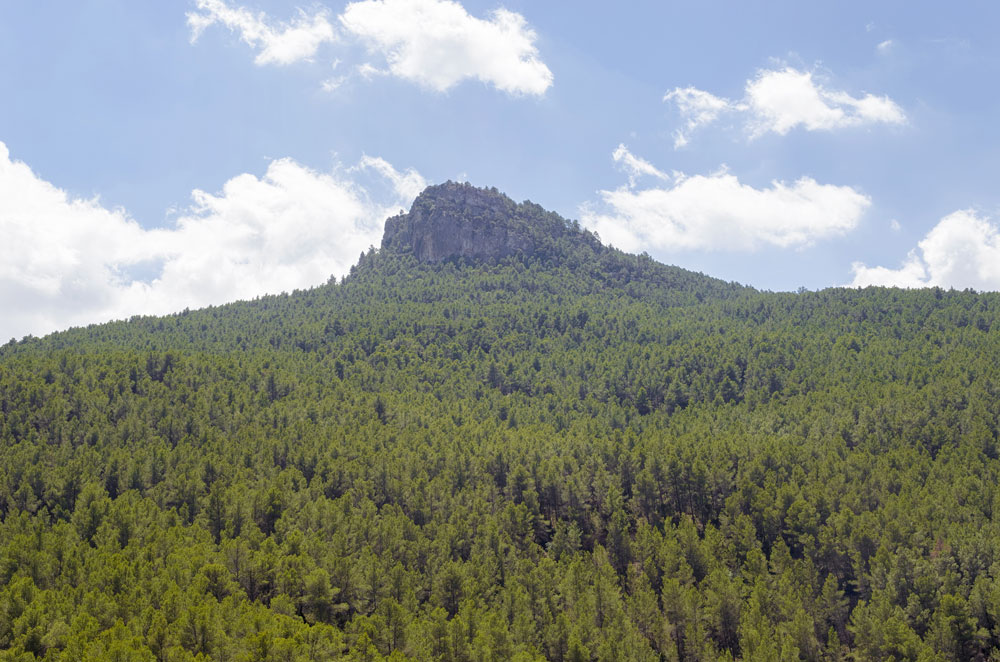
Forests play a key role on addressing climate change mitigation, but forest fires can release all carbon sequestrated during decades within few days. Unfortunately, despite many forests in the Valencia region have sustainable forest management plans and a high risk of forest fire, forest operations are scare due to the required high investments. This is one of the reasons why forests, especially in the Mediterranean region, should be urgently managed to reduce the risk of forest fires now that we life under a climate emergency.
The region of Valencia is a good example for the implementation of a local carbon market that would build bridges between clearly distinguished urban and rural areas. The rural inland zone where most of the forests are located behave as carbon sink. On the other side, the urbanized coastal zone where most of the population and economic activity is concentrated behave as emission source. Only 30% of the regional emissions are currently regulated by the international Emission Trading System. There are no incentives to reduce the remaining 70% of emissions, called diffuse emissions. Diffuse emissions could be included on a local voluntary carbon market to incentive its reduction and to generate the investments necessary to execute the sustainable management plans of local forests. This was the starting point of ValVolCar project that ended last December.
The ValVolCar project analysed the potential creation of a local voluntary carbon market where local entities responsible of diffuse emissions can compensate for them investing on sustainable management of local forests. ValVolCar has been co-financed by Climate KIC and leaded by the Polytechnic University of Valencia. Researchers from the University of Valencia participated on the project as well. Project results were presented on mid-January.
Similar initiatives worldwide were reviewed to identify barriers and opportunities for the creation of the market in Valencia. Also, strengths and weaknesses from past experiences were identified. One of the outputs was to realise that markets sell carbon credits generated from reforestation or afforestation projects, but none from sustainable forest management although its direct benefits on natural capital.
The methodology necessary to trade carbon credits generated from sustainable forest management projects at a reduced cost under the principles of easiness and transparency were studied within ValVolCar project. The results described actors and tools involved in the process and analysed the successive steps of a forest project life cycle. Technological systems like satellite images or block chains were identified crucial to keep low costs.